
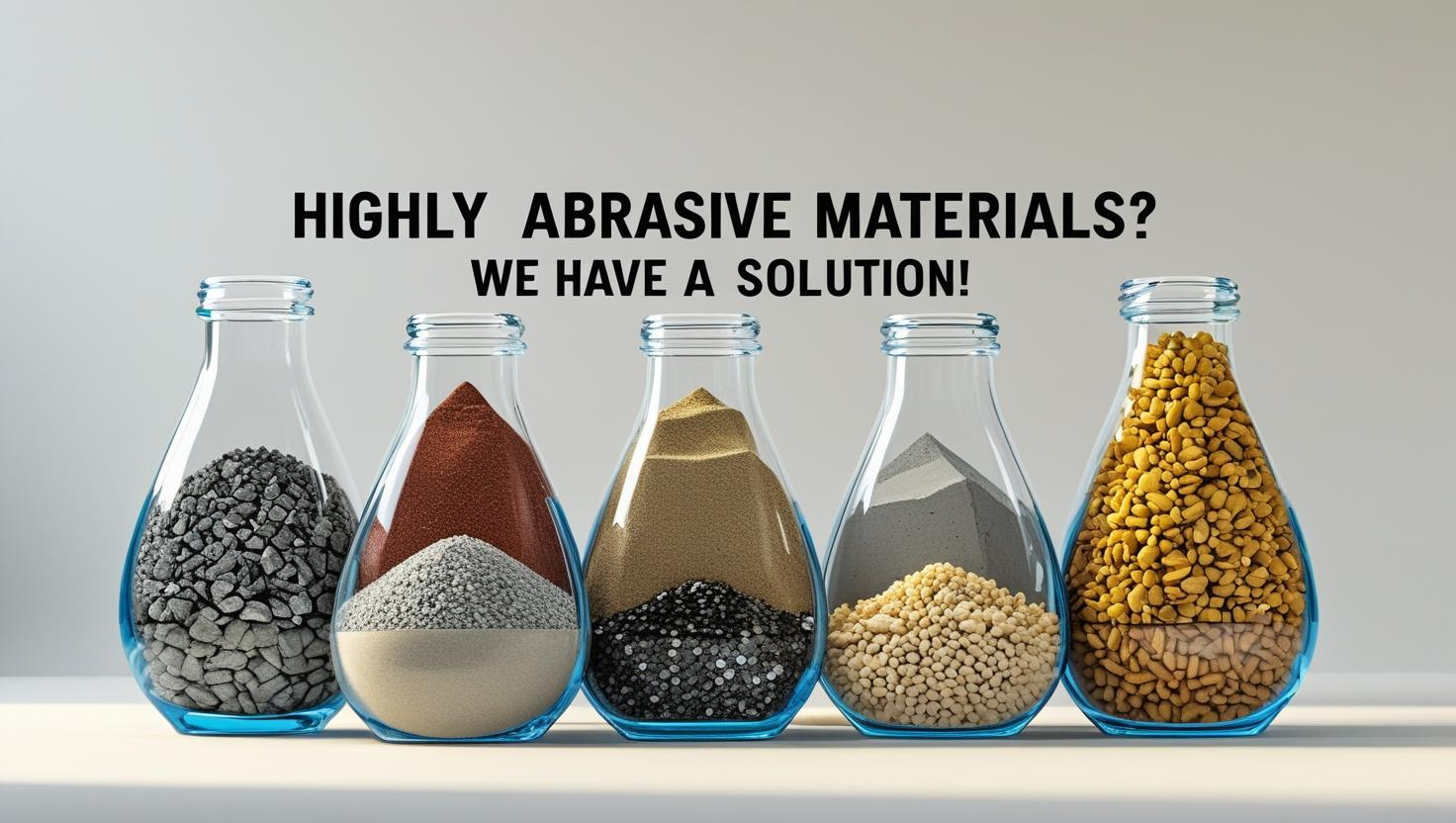
Struggling with wear and tear from highly abrasive materials? You’re not alone — and we’re here to help.
At TCV, we go beyond surface fixes. By combining structural redesign with advanced material selection, our engineered systems deliver up to 18× longer lifespan — even in the most challenging environments.
💡 What you gain:
✔️ Maximum durability
✔️ Minimal downtime
✔️ Consistent, reliable performance
Don’t let material abrasiveness hold you back — partner with TCV and move forward with confidence.
🔍 Tested and Proven by International Standards
We apply the ASTM G195 abrasion test, a globally recognized standard that replicates high-friction, high-frequency operating conditions.
✅ This ensures verified durability, real-world reliability, and long-term performance you can count on.
Engineered for High-Abrasion Applications:
✅ Supports abrasive materials: fiberglass, grains, quartz sand, animal feed, and more
✅ Excellent wear and erosion resistance
✅ Tailored upgrade recommendations based on specific application needs
✅ Minimized downtime and maintenance risk for long-term stable performance
🔬 Metallographic Structure Comparison
Metallographic analysis of test samples clearly reveals the structural differences between the two materials, providing insight into the source of their wear resistance.
|
Material |
Metallographic Image (Magnification) |
Description |
| Cr22
HRC : 38 ~ 42 |
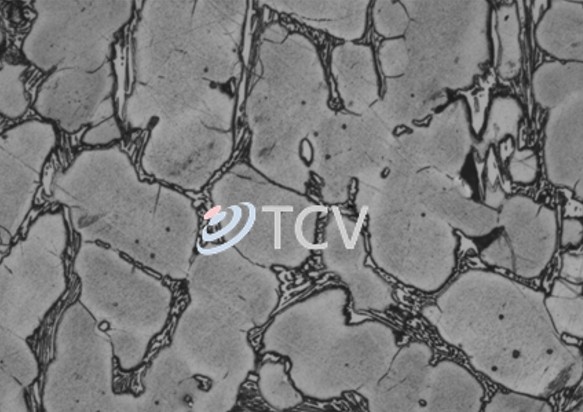 |
With a large amount of hard carbide phases, significantly enhancing wear resistance. |
| Stainless Steel
HRC : 21.2 ~ 22.3 |
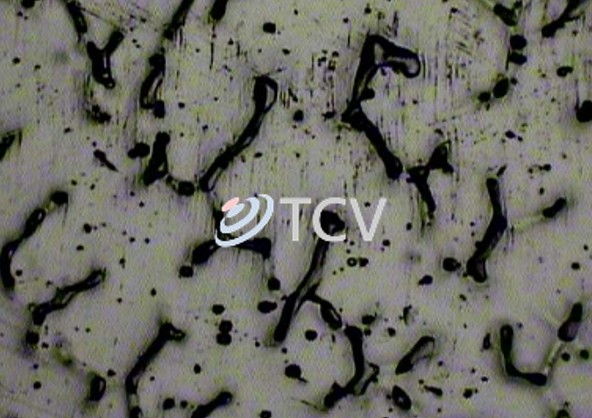 |
The microstructure is uniform but relatively soft, with average wear resistance. |
📌 Low-Wear Steel Cr22
The distinct network structure and fine hard phases observed in the metallographic analysis are key to its excellent wear resistance.
In contrast, stainless steel, while offering good ductility, has limited wear resistance due to its microstructure.
📊 Wear Test Results (After 5,000 High-Frequency Revolutions)

📈 Proven Performance
In a 5,000 revolutions abrasion test, our proprietary low-wear steel recorded a weight loss of just 0.02g, significantly outperforming stainless steel at 0.36g—an 18× difference in wear resistance (0.36 ÷ 0.02 = 18).
This result demonstrates the clear advantage of low-wear steel in both wear life and operational stability. Its outstanding abrasion resistance not only enhances product reliability under high-friction conditions but also helps reduce equipment maintenance frequency and operating costs.
An ideal solution for high-performance, heavy-duty applications.
✅ Our Commitment
✔ We listen to your needs and respond quickly with tailored solutions
✔ All products undergo rigorous performance testing before delivery
✔ Comprehensive after-sales service and technical support for your peace of mind
📞 Get in Touch
Want to learn more technical details or need a customized recommendation?
TCV team is here to provide expert solutions and support!
📬 Contact us today for a free consultation [email protected] — let us help extend your equipment lifespan and reduce maintenance costs.